30 Garden Edging Ideas That Instantly Elevate Your Landscape
From practically free to beautifully high-end, these garden edging ideas bring structure and a polished finish to any landscape.

It’s often the smallest details that make a garden feel finished—and edging is one of them. That simple border between lawn and blooms can turn a loose collection of plants into a space that feels intentional.
While it’s easy to focus on sun exposure, soil, and plant picks when mapping out a new garden, edging is what gives everything shape. It frames spring bulbs, sets off pollinator favorites, keeps vegetable beds neatly contained, and helps every season—from summer flowers to winter greenery—stand out just a little more. Think of it as the final touch that makes all your hard work shine.
Why Edging Matters
Beyond curb appeal, garden edging helps keep grass from sneaking into your blooms, holds mulch in place after spring and summer storms, and cuts down on soil erosion. Those clean borders also make mowing and trimming easier, so you’re less likely to accidentally nick your perennials and shrubs during weekend yard work. Whether you’re tending a small backyard plot or wide country acreage, the right garden border adds structure and keeps things tidy.
Types of Edging
Ahead, we’ve gathered garden edging ideas for just about every kind of home and landscape. Natural materials like stone, brick, or weathered wood feel right at home in cottage gardens and rustic settings. If you prefer a clean, understated look for more modern spaces, you may be drawn to the sleek lines of metal or poured concrete edging. You can even create living borders with low-growing plants or shrubs for a softer, storybook feel.
As you choose, think about both style and practicality. Some DIY garden edging projects can be finished in an afternoon, while heavier materials like stone may take a bit more time (and muscle)—or even a pro. Consider your budget, climate, and how much upkeep you’re willing to do. The best edging is the one that complements your home, suits your schedule, and makes stepping into your garden feel like a small everyday escape.
Scroll on for garden edging ideas to inspire you.
Free: Hand Edging

Here’s a great idea if you don’t like the look (or expense) of edging: Use an edging shovel, spade, or electric edger, to cut the grass away and create a sharp edge, which keeps grass from creeping into beds.
This technique is labor-intensive and will need to be done every year or two, but it also has a clean, neat look. Plus, it's ideal if you like to enlarge beds as plants mature.
Almost Free: Glass Bottle Edging

This eco-friendly garden edging idea is a great option for recycling glass bottles.
Simply create the border by inserting bottles upside down in the soil. Keep it simple or play with designs in the soil to create a unique pattern to suit your personal tastes.
Practically Free: Natural Log Edging

Need to take down a tree in your yard? Repurpose it by using large branches or the trunk as edging for beds. The natural look adds rustic charm and will last for several years before needing to be replaced. Edge the lawn before placing the tree sections around beds.
Inexpensive: Plastic Edging

Plastic isn’t glamorous, but it is inexpensive and lasts for many years. It comes in long rolls and requires you to dig a trench in which to sink the edge.
The rolls can be unwieldy to handle, so enlist a helper for easier installation.
Inexpensive: Woven Willow Edging

Also called "wattle," this natural edge is perfect for English or country gardens. It's used extensively in Europe. It's easy to hammer in, but because it's made of twigs, it won't last forever, and it is susceptible to damage if it takes a direct hit from the string trimmer.
Read More: English Garden Ideas to Transform Your Backyard Into a Charming Oasis
Inexpensive: Cedar Edging

Small cedar shingles or cedar shake “fences” are simple to hammer around the perimeter of beds. They last for several years, but not forever, as they’re easily damaged by string trimmers or lawn mowers.
Inexpensive: Landscape Timber Edging

If you’re handy with a saw, landscape timbers are a cost-effective method of edging. They're often pressure-treated to prevent rotting so will last a long time. You’ll need to level the ground and cut sections as needed so it can be labor intensive.
Inexpensive: Bamboo Edging

Bamboo garden edging is the natural choice for a Eastern-inspired garden. It’s typically sold as short fencing that you pound into the ground. Because bamboo is almost indestructible, it's a great long-term edging solution. But it doesn't look right in all garden styles.
Inexpensive: Pound-In Plastic Edging

Pound-in plastic edging is much easier to install by yourself, and it lasts for many years, too. The only downside is that it may be pushed up by the freeze/thaw cycle in winter in colder climates; but you can just tap it back into place in the spring.
Inexpensive: Metal Edging

Many types of metal edging are no-dig, meaning you hammer them into the ground. The metal is flexible, making it easy to create curves. It can be hard on your hands to install, so wear heavy work gloves when handling.
Less Expensive: Scalloped Terracotta Edging

Scalloped terra-cotta edging is ideal for creating a pathway, or defining a flowerbed or garden bed. This option is straightforward to install–just make sure to measure how much you need before purchasing.
Less Expensive: Brick Edging

Lay bricks in a shallow trench on their side with the wide side down, or stand them upright. The hardest part is getting everything straight and level. Hint: Use a rubber mallet and line level on a string.
Less Expensive: Eucalyptus Wood Border Edging

Eucalyptus wood offers a casual feel to gardens in warm climates and pairs particularly well with coastal or tropical gardens. It's usually very easy to install because it's typically hammered in with a rubber mallet. It will last for several years. And at about $7 per linear foot, it's not too pricey!
Less Expensive: Grass and Shrub Edging

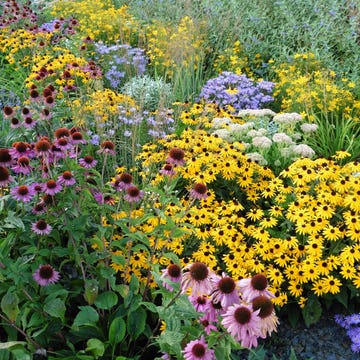
You can create a living border with grasses and flowering bushes for a lively edge, and you can plant everything yourself! Play with leaf and grass blade hues for beauty year-round and mix and match bloom times for a more colorful display.
Less Expensive: Mixed Plant Edging

If you want a more natural look, grow your favorite plants and bushes as a mixed planting border. Experiment with height and style and different-colored leaves for vibrant and lively edging.
Less Expensive: Gravel Edging

If you want to keep your project costs lean, try using gravel to create edging in your garden.
Settle on the area you want to install edging. Next, dig a trench that's at least four inches deep. Line the trench with a weed prevention barrier; fixing it in place with peg. Fill the trench with gravel and then rake to evenly distribute.
Less Expensive: Recycled Rubber Edging

A few companies now make recycled rubber edging. It's secured with pegs you simply tap into place. It’s nearly indestructible and is designed so that mowers can get right up to it, eliminating the need for the dreaded trimmer.
Less Expensive: Stone and Gravel Edging

Stone and gravel edging is a clever combination of natural materials and can be created with or without a roll of plastic edging. Much like installing gravel edging, this method requires digging a trench (about four inches deep) around the desired area. You can opt to insert plastic edging cut to the length of the space. Next, fill the trench with gravel and spread by hand or with a rake to evenly distribute the mixture. Complete the project by adding large stones across the gravel.
Less Expensive: Stone Pillar Edging

This method of garden edging can be labor intensive to install. For a successful installation each section of these interlocking edging stones will need to be straight so site prep is very important.
If you want a more curved edge, you'll need to source individual pillars, and it will take even longer to install. Use a mallet to secure each pillar or section in place.
Moderately Expensive: Tidy Living Hedge Edging

If you're going for an English garden vibe, a low-growing hedge like boxwood can serve as a pretty, neat edging. Plant the shrubs close together so they fill in quickly. You can shear them to shape, as shown here, or leave them more natural in appearance.
Read More: 25 Best Evergreen Shrubs for Your Garden
Readers Also Read

Is Wood Ash Good for Your Garden?

Here’s the Safest Place to Hang Your Bird Feeder

The Best Pet-Friendly Houseplants
The Simplest Hummingbird Food Recipe